
Dental bridges and prostheses in Marbella
When several teeth in a row are missing, we cover the gap without needing one implant per tooth.
What is a dental bridge?
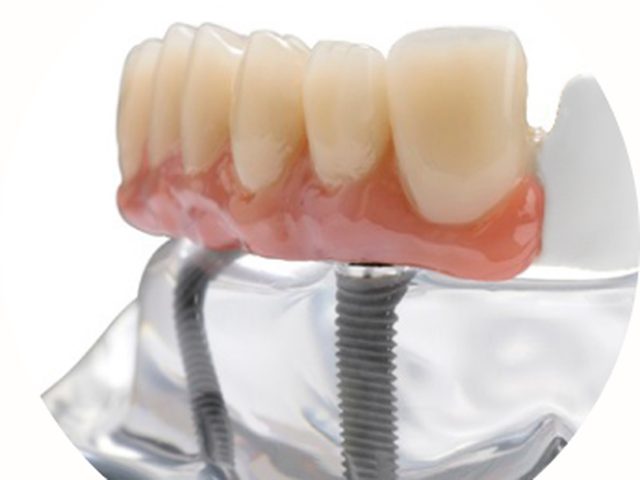
A dental bridge replaces one or several teeth in a row by anchoring onto the teeth or implants left on either side of the gap. The bridge's crowns form a single piece that is cemented or screwed onto those supports.
Conventional bridge or implant-supported bridge?
A conventional bridge shapes down the two neighbouring teeth to anchor onto: it's a faster, lower-cost solution, but it loads those teeth for life and doesn't stop the bone under the gap from continuing to resorb. An implant-supported bridge anchors the prosthesis on one or two implants instead of natural teeth, without shaping anything healthy, and it slows that bone loss.
There's no universally better option: it depends on how many teeth are missing, the condition of the neighbouring teeth, and the bone available. That's decided with a proper study, not upfront.
If an entire arch is missing, the solution is no longer a bridge for a few teeth: it becomes a full-arch rehabilitation on a smaller number of implants.
-
Replaces several teeth at once
A single prosthesis restores the whole missing section, in fewer visits than one implant per tooth.
-
Implant-supported, no healthy teeth shaped
An implant-supported bridge avoids loading the neighbouring teeth and slows bone loss in the gap.
-
A fixed result
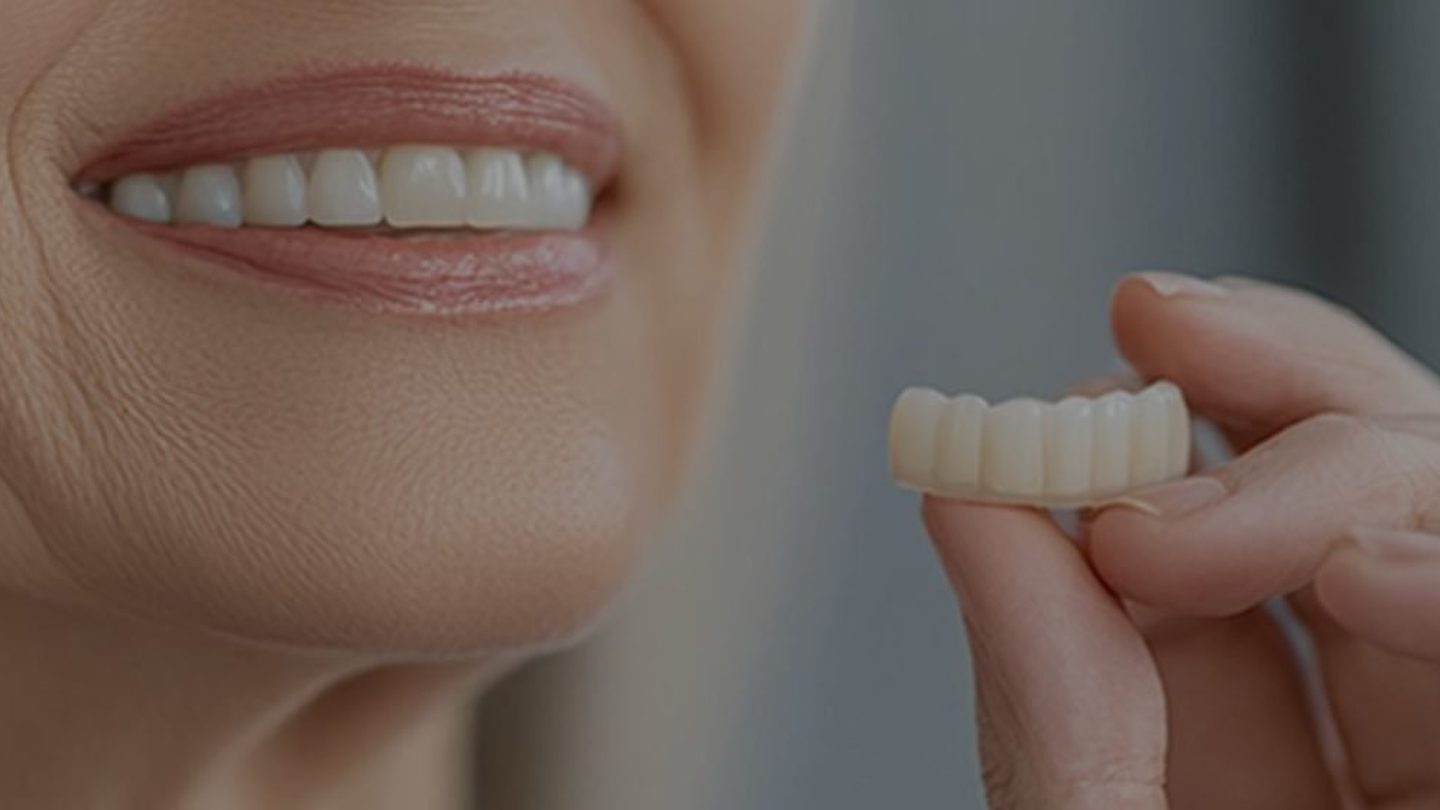
Unlike a removable denture, it isn't taken out to eat or sleep.
At this clinic
Our approach to bridges in Marbella
We don't default to a conventional bridge just because it's cheaper or faster. If the neighbouring teeth are healthy, shaping them down to support a bridge is a cost paid over the long term — so when the bone allows it, we propose an implant-supported bridge first.
The final decision depends on what the study shows, not a preference set in advance: how many teeth are missing, the condition of the remaining teeth on either side, and how much bone lies beneath the gap.
- We prioritise implant-supported bridges when the bone allows it.
- An honest assessment of the neighbouring teeth before shaping anything.
- A fixed prosthesis: not removed to eat or sleep.

Common questions
Frequently asked questions about this treatment
01 What's the difference between a conventional bridge and an implant-supported one?
A conventional bridge anchors by shaping down the two teeth bordering the gap. An implant-supported bridge anchors on one or two implants instead of natural teeth: it shapes nothing healthy and slows bone loss under the gap.
02 Does a conventional bridge damage the neighbouring teeth?
It requires shaping them down to fit the crowns that support it, which weakens them long-term. That's its main drawback compared with an implant-supported bridge.
03 How many teeth can a bridge replace?
It depends on the gap and the support available. When very few teeth are missing, a bridge covers the section; when an entire arch is missing, the solution is no longer a bridge but a full-arch rehabilitation.
04 Can I eat normally with a bridge?
Yes, it's a fixed prosthesis: it isn't removed to eat or sleep. Hygiene underneath it should be kept up with interdental brushes or a water flosser.
Other treatments you may be interested in

First assessment
Request your dental bridges and prostheses assessment in Marbella
- We call you to understand your case before proposing anything.
- Diagnosis with digital planning and a fixed written quote.
- No obligation: if you do not need treatment, we will tell you.
Prefer to talk to us directly? 951 500 100 · WhatsApp